

- Total time
- 17 min
- Prep time
- 5 min
- Cook time
- 12 min
- Difficulty
- Easy
- Rating
- ★ 5.0 (2)
- Reviews
- 2 reviews
Chocolate and coconut oil cookies are perfect for those who want to avoid butter without sacrificing indulgence. Coconut oil brings sweetness and chewiness while offering an irresistible flavor.
Ingredients
Serves : 4 servings
- 250 g flour
- 100 g melted coconut oil
- 40 g white sugar
- 40 g brown sugar
- 1 egg
- 100 g chocolate chips
- 1 tsp baking soda
- a little to taste vanilla extract (to taste)
- 1 pinch salt
Instructions
Step 1
Start by melting the coconut oil. Let it cool slightly before using it in your dough.
Step 2
In a large bowl, combine the melted coconut oil with the white sugar and brown sugar. Mix well until the mixture is smooth.
Step 3
Crack the egg into the bowl with the coconut oil and sugar mixture. Add a little vanilla extract. Mix well until everything is fully incorporated.
Step 4
In another container, mix the flour, baking soda, and a pinch of salt. Ensure the dry ingredients are well combined.
Step 5
Gradually add the dry ingredients to the wet mixture. Mix until a dough starts to form. Avoid overworking the dough to keep the cookies from becoming tough.
Step 6
Once the dough is almost uniform, fold in the chocolate chips. Mix just enough to distribute the chips evenly throughout the dough.
Step 7
Preheat your oven to 180°C (350°F). Line a baking sheet with parchment paper.
Step 8
Use a spoon to scoop portions of dough and shape them into balls. Arrange them on the prepared baking sheet, leaving enough space between each cookie.
Step 9
Place the cookies in the oven and bake for about 10 to 12 minutes, or until the edges are golden brown but the centers are still soft.
Step 10
Let the cookies cool on the baking sheet for a few minutes before transferring them to a wire rack to cool completely.
Tips
- Use virgin coconut oil for a light coconut aroma or refined for a neutral taste.
- You can chop a chocolate bar with a knife to get varied chip sizes, which is also more economical.
- Dark chocolate provides an intense flavor, while milk chocolate is sweeter (consider reducing the sugar if using milk chocolate).
Substitutions
- egg → flax or chia egg — For a plant-based version.
- coconut oil → sunflower or neutral vegetable oil — To maintain a neutral taste.
Nutrition
Approximate values per 100 g; they vary with ingredients and preparation.
Frequently asked questions
Can I add other ingredients to this cookie recipe?
Yes, you can absolutely customize this cookie recipe by adding other ingredients to suit your taste. Feel free to experiment with what you like, such as chocolate chunks, dried fruits, or even spices to create cookies that reflect your style.
What alternatives can I use instead of coconut oil?
If you don't have coconut oil, opt for a neutral vegetable oil like sunflower oil to maintain the original taste of your cookies.
Can this cookie recipe be vegan?
This cookie recipe can be made vegan by replacing the egg with a flax or chia egg. A simple adaptation for a 100% vegan result!
Reviews
My recipes

Chocolate and Coconut Cookies
Discover chocolate and coconut cookies, an irresistible combination where intense chocolate meets exotic coconut for a delicious snack.

Chocolate Coconut Cake
Discover the perfect marriage between melting dark chocolate and a tropical touch of coconut in this moist and irresistible cake.

Coconut Macaroons (Rochers Coco)
Coconut macaroons (rochers coco) are a true delight for all coconut lovers. Incredibly easy to prepare, they require only three simple ingredients: shredded coconut, sugar, and egg whites. This recipe is a must-have for those looking to satisfy their craving for tropical flavors without spending hours in the kitchen. Simple, fast, and deliciously fragrant.
Useful articles
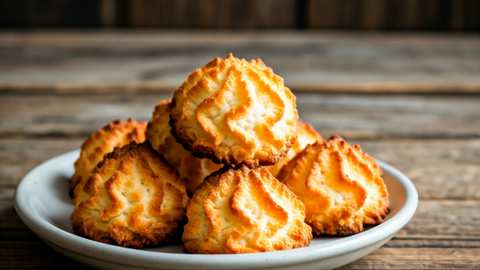
How to store coconut macaroons?
Discover the best tips to keep your coconut macaroons fresh, moist, and flavorful for longer!
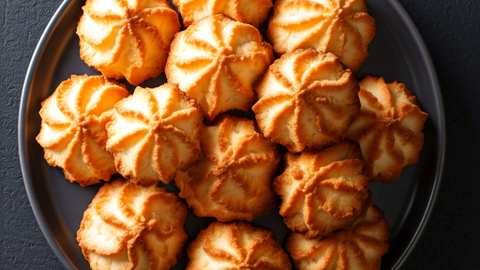
Should you whisk egg whites for coconut macaroons?
Discover if whisking egg whites is essential for perfect coconut macaroons: pros, cons, and chef tips for achieving the ideal texture.