 Written by
Butter is much more than just an ingredient in chocolate cake: it provides fudginess, richness, and an irresistible texture. But with so many options available, it's natural to wonder which to choose.
Here's an overview of the possibilities to help you make the right choice based on what you have on hand or what you're craving.
Why is Butter So Important in Chocolate Cake?
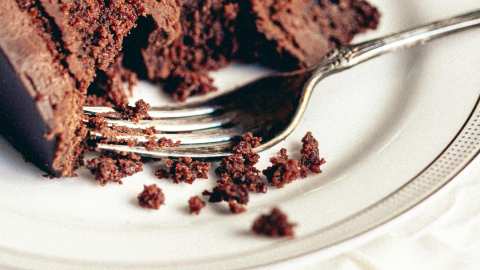
Butter isn't in chocolate cake by chance. It brings the fudginess, richness, and moist texture we all love. In a chocolate cake, it plays a dual role: it structures the batter while enhancing the flavors. It's what allows for a beautiful harmony between the sugar, eggs, and chocolate. Therefore, your choice of butter can genuinely influence the cake's final taste.
Which Type of Butter to Choose Based on Your Needs?
Unsalted Butter: The Baking Staple
Unsalted butter is undoubtedly the most common choice for cakes. It contains no added salt, which allows for precise control over the flavor balance in the recipe. It perfectly accentuates the taste of chocolate without interference, and delivers a fudgy, moist texture. It's the ideal choice if you're following a classic fudgy or moist chocolate cake recipe.
Salted Butter: For a Subtle Touch
Less common in baking, salted butter can nevertheless add an original note. Its natural salt enhances the chocolate flavor and creates a slight sweet-and-salty contrast, much appreciated by some. You simply need to remember to adjust the amount of salt called for in the recipe. This choice works especially well if you enjoy bold flavors or less sweet cakes.
Clarified Butter: Why Not?
Clarified butter, also known as ghee, is butter purified of its water and proteins. It withstands heat better, which can be useful if you're baking your cake at a high temperature or preparing a caramelized base. It also imparts a slightly nutty flavor. While less frequently used in chocolate cakes, it can be a good substitute for certain specific baking needs.
Vegetable Margarine: A Possible Alternative
Margarine is sometimes used as a butter substitute, especially in cases of allergies, intolerances, or vegan diets. Opt for a margarine rich in fat (at least 70%) to maintain a moist texture. The result will have a slightly different taste but remains satisfactory in simple cakes. Avoid low-fat margarines, which contain too much water.
Vegetable Oil: In a Pinch
If you have neither butter nor margarine, a neutral oil (sunflower, canola) can work. Use about 80% of the initial butter's weight. This works well for very moist chocolate cakes, but the taste will be more neutral. Coconut oil, on the other hand, adds a subtle fragrance and a very fudgy texture.
My chocolate recipes
Ready to give it a go? Here are a few of my chocolate recipes:
- Silken Tofu Chocolate Mousse
- Cyril Lignac's Brownie with Caramelized Pecans
- Franui-Style Chocolate Raspberry Bark
- Almond Fondant Cake (Naturally Gluten-Free)
Conclusion
The choice of butter for your chocolate cake will depend on your personal preferences. Whatever your choice, be sure to select a quality product to achieve a delicious and satisfying dessert.