 Written by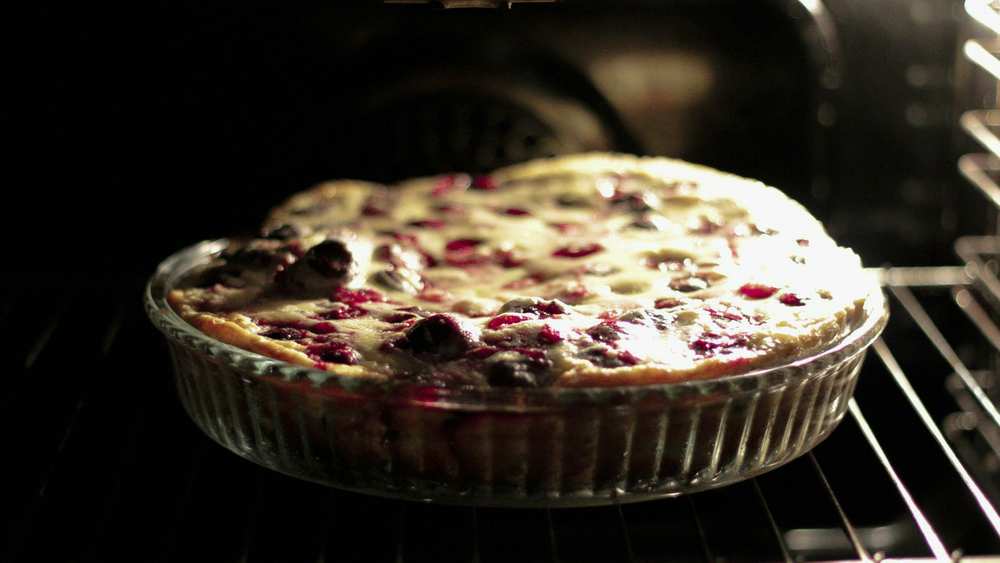
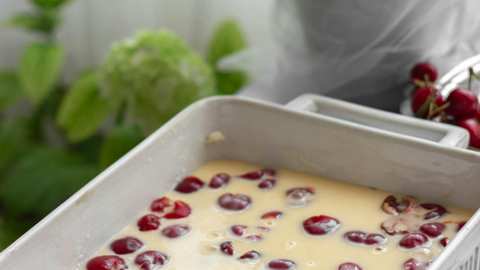
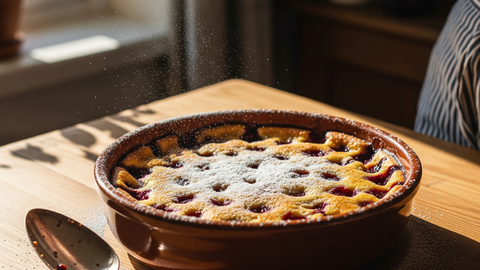
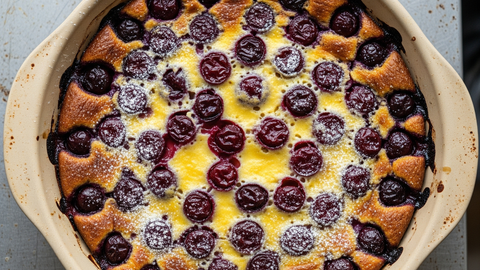
Cherry clafoutis is a traditional French dessert, simple and delicious, evoking summer and childhood memories.
But one question still divides us: should you pit the cherries or leave them whole? Here's everything you need to know to make the right choice based on your preferences.
Clafoutis: A Gourmet Tradition
Originating from the Limousin region, clafoutis is traditionally prepared with whole, unpitted cherries. The name "clafoutis" itself is believed to come from the Occitan word "clafir," meaning "to fill."
It's a type of egg and milk custard, dotted with fruit, that bakes gently in the oven. Its simple ingredients and ease of preparation have made it an enduring classic of French cuisine.
Why Some Prefer to Keep the Pits in Clafoutis
To Respect Tradition
Some are attached to tradition and wish to savor clafoutis as it was prepared in the past. It's a tribute to the history of this rustic dessert.
For a More Intense Flavor
According to many, the pits add a slight bitterness and enhance the almond flavor of the dessert. This subtle aroma comes from compounds contained within the cherry pit. The clafoutis thus gains character.
Better Hold During Baking
Unpitted cherries release less juice during baking, which allows the batter to cook better and prevents a too liquid or soggy result. The clafoutis therefore retains a moist but firm texture.
Faster Preparation
This is a less frequently cited argument, but pitting cherries takes time. If you're in a hurry, incorporating them whole will save you valuable minutes.
Reasons to Pit Cherries
A More Pleasant Eating Experience
Pitting cherries makes eating more comfortable, especially for children or the elderly, and avoids unpleasant surprises with every bite.
Less Risk for Teeth
Biting into a hard pit can damage a tooth or a filling. If you're cooking for guests or a large number of people, pitting is often the safest solution.
A More Melt-in-Your-Mouth Texture
Pitted cherries blend more thoroughly with the batter, resulting in a more homogeneous, less rustic dessert. Baking fully reveals the fruit's sweetness, without being disrupted by pits.
For a Neater Presentation
Some people prefer to remove the pits so that the clafoutis is easier to eat at the table. Spitting out pits while eating can be awkward, especially when hosting guests. A pit-free clafoutis is often considered more practical and elegant to serve.
Which Solution to Choose?
It depends on your audience and the desired effect:
- For a traditional and authentic version, keep the pits.
- For easy and smooth eating, especially with children or for a neat presentation, prefer pitted cherries.
Tip: Clafoutis has a delicate texture, especially if it's rich in fruit. Do you want to know the right steps for stress-free unmolding? Discover our article: How to unmold clafoutis without breaking it
Tip: How to Pit Cherries Quickly
If you opt for the pit-free version, you can use:
- A cherry pitter
- A simple stiff straw or an unfolded paperclip to push out the pit
- An empty bottle and a chopstick: place the cherry on the bottle neck, push with the chopstick, and the pit falls into the bottle
This allows you to prepare your clafoutis more quickly, especially in large quantities.
My clafoutis recipes
Ready to give it a go? Here are a few of my clafoutis recipes:
Conclusion
There's no absolute rule on whether or not to pit cherries in a clafoutis. It depends on your taste, the context, and the type of result you desire. The best solution is therefore the one that brings you the most pleasure and best suits the occasion!
The main thing is to use good cherries and enjoy cooking this summer classic. There are no strict rules: with or without pits, it all depends on your preferences and the occasion.
Furthermore, there's no need to add baking powder to the batter: clafoutis should remain tender, somewhere between a custard and a cake. And good news: clafoutis can be prepared the day before, making it a convenient dessert for family meals or entertaining.
FAQ
Does leaving the pits affect the baking of clafoutis? Yes, whole cherries release less juice, allowing the batter to cook better and preventing a "soggy" bottom. This can be an advantage if you prefer a firmer texture.
Is there a difference in taste whether or not the pits are kept? Yes. The pit adds a slight bitterness and an almond note that intensifies the flavor of the clafoutis. This taste is subtle, but appreciated by enthusiasts of the traditional version.
Can you mix pitted and unpitted cherries? It's possible, but it might be surprising when eating. If you choose this option, warn your guests, as biting into a pit can be unpleasant when unexpected.