 Written by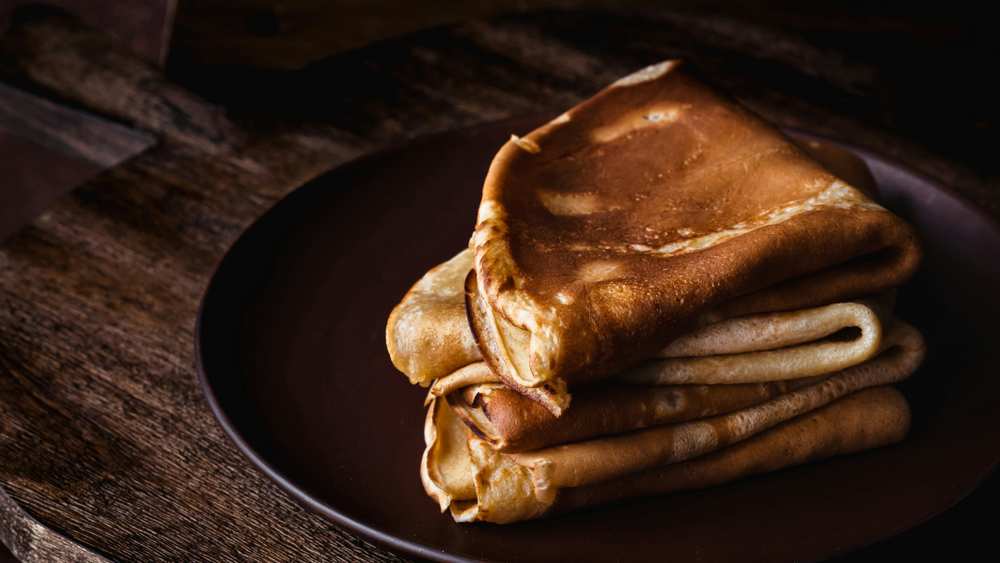
Crepe cooking isn't just about the batter; the choice of fat also influences their taste, texture, and how well they cook. Should you choose oil or butter for cooking crepes? Each has its fans… and its advantages!
Here's everything you need to know to make the right choice based on your preferences.
Cooking Crepes with Oil: Practical and Neutral
Cooking with oil is often chosen for its simplicity and efficiency. It offers several benefits, especially for cooking many crepes in a row or if you prefer a more neutral taste.
- Indeed, oil, particularly neutral oils like sunflower, rapeseed, or grapeseed oil, is a fat that doesn't burn and handles heat very well. Unlike butter, it doesn't blacken over high heat. This allows you to cook several crepes consecutively without altering their taste or dirtying the pan.
- Moreover, neutral oil has a more subtle taste and doesn't add a "strong" flavor. This can be an advantage if you want the crepes' flavor to remain neutral, so you can then fill them with either sweet or savory ingredients.
- Finally, a simple brush or a paper towel soaked in oil is enough to grease the crepe maker between each crepe. It's easy to apply. This method is quick, economical, and limits excess fat.
By the way, for a perfectly smooth and consistent batter, adding a drizzle of oil to the batter itself can help prevent it from sticking, especially with the first crepes. This partly explains why the first crepe is always a failure.
Cooking Crepes with Butter: For an Irresistible Taste
Butter is the preferred option for gourmands. It brings an inimitable flavor to crepes and makes them lightly golden, crispy at the edges, and soft within.
- First of all, butter has an inimitable aroma. It gives crepes a savory and authentic touch, reminiscent of grandma's recipes. Its flavor makes all the difference, especially if you serve your crepes plain or lightly sweetened.
- Butter also enhances the melt-in-your-mouth and gourmet aspect of crepes. It is particularly recommended if you are preparing crepes with sugar, chocolate, jam, or caramel.
- Unfortunately, classic butter can burn quickly. To avoid this, you can use clarified butter (also called ghee), which tolerates heat better while retaining the butter's flavor. It can be bought ready-made or made at home by removing the foam and buttermilk.
The Impact of Fat on Crepe Texture
The choice between oil and butter isn't just about taste: it also influences the texture of crepes.
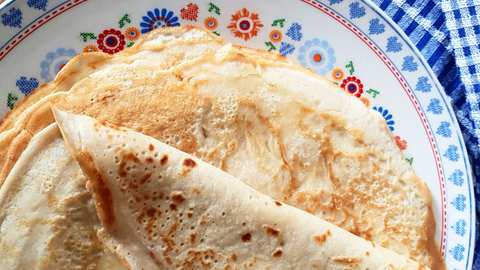
When oil is applied in a thin layer, it promotes even cooking with crispier edges, ideal for crepes that are both thin and pliable. In contrast, butter provides a softer and more melt-in-your-mouth texture, especially in the center of the crepe.
The quantity used is also important: a little fat will yield a light crepe. Conversely, a larger knob of butter in the pan will enhance the gourmet aspect, especially for a sweet treat.
The result also depends on the equipment: electric crepe maker or classic pan, the choice of utensil can influence the heat, the distribution of fat, and thus, the final texture.
Why Not Combine Both?
Some chefs recommend greasing the pan with oil, then adding a small piece of butter just before pouring the batter. The result: perfect cooking, without burning, and with a delicious buttery taste.
This is an excellent way to combine the best of both worlds: the heat resistance of oil and the richness of butter. A perfect solution to satisfy all palates!
My crepe recipes
Ready to give it a go? Here are a few of my crepe recipes:
Conclusion
The choice between oil and butter therefore depends on your personal preferences. If you prioritize a neutral taste, oil might be your best choice.
However, if you are looking for a richer flavor, butter might be a better option. Why not try both methods and see which you prefer for your crepes?
And to go further, also consider other elements of the recipe: the choice of milk plays a key role in the texture and lightness of crepes.