 Written by
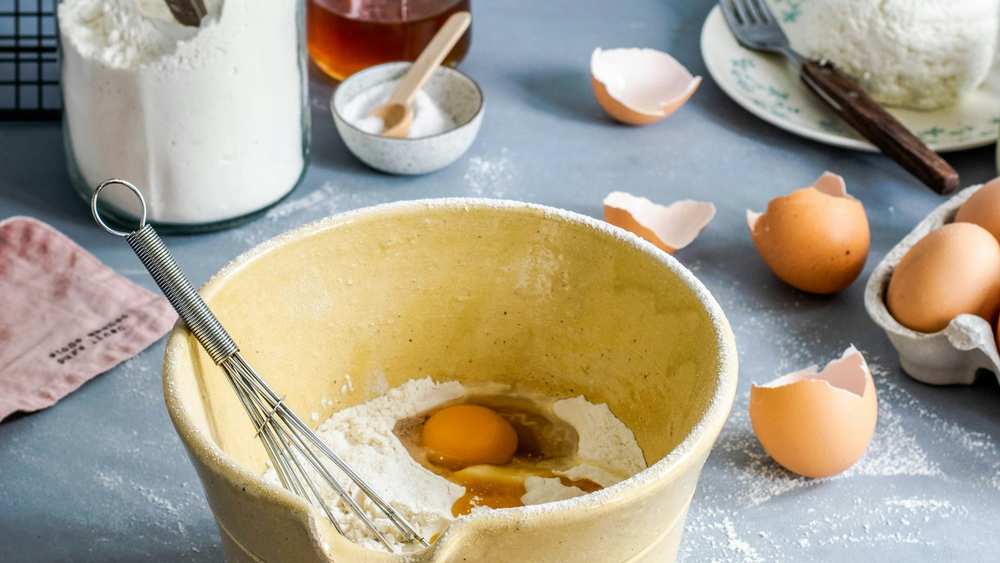
Made too much batter, or want crepes ready in no time? Good news: crepe batter freezes very well, as long as you follow a few simple rules.
I'll explain how to freeze it, how long it keeps, how to thaw it safely… and why, in some cases, it's better to freeze crepes that are already cooked.
How to freeze crepe batter
Choose the right container
- A clean plastic bottle: this is my favorite method. Once thawed, just shake the bottle to mix the batter again, then pour it straight into the pan. Easy, with no extra dishes!
- A freezer bag: fill it, press out the air, then freeze it flat. The batter will thaw much faster than in a solid block.
- An airtight container: this works too, but the batter will take longer to thaw.
Whatever container you use, don't fill it to the top: the batter expands slightly as it freezes. Leave about 1 inch (2 to 3 cm) of space.
Freeze it in portions
Try freezing the batter in several small portions rather than one big block. That way, you only thaw what you need, and it thaws faster.
Label it with the date
Write the freezing date on the container. At the back of the freezer, it's easy to forget how long it's been there!
How long does crepe batter keep in the freezer?
Crepe batter keeps for up to 2 months in the freezer. After that, it's still safe to eat, but it may lose flavor and pick up freezer odors.
If you're planning to make crepes in the next few days, there's no need to freeze it: crepe batter also keeps in the fridge for a short time.
How to thaw crepe batter
In the fridge: the best method
Put the batter in the fridge the night before, for a full night (about 12 hours). It's the safest method: since the batter contains eggs and milk, it shouldn't sit at room temperature for long.
In cold water: the quick method
Forgot to take it out the night before? Place the sealed bag or bottle in a large bowl of cold water. Change the water every 30 minutes. Depending on the amount, the batter will thaw in 1 to 2 hours. In that case, use it right away.
Avoid: thawing it on the counter at room temperature, or in the microwave, which starts to cook the eggs.
Mix well before cooking
As it thaws, the batter often separates a little: that's completely normal. Shake the bottle hard, or whisk the batter for a few seconds, until it's smooth again. If it has thickened, add a splash of milk.
Once thawed, use the batter within 24 hours and never refreeze it.
Freeze the batter or the cooked crepes?
It's a question I often ask myself, and honestly, in most cases, I prefer to freeze crepes that are already cooked. They thaw in a few minutes, reheat in no time, and are ready to fill.
| Freezing the batter | Freezing cooked crepes | |
|---|---|---|
| Thawing | One night in the fridge | A few minutes |
| On the day | You need to cook the crepes | You just reheat them |
| Taste | Fresh crepes, as usual | Very good, slightly less soft |
| Best for | A brunch or snack planned ahead | Crepes on short notice |
Freezing the batter is still a great option when you want to enjoy crepes fresh out of the pan, or when you're planning ahead for a special occasion. For a last-minute crepe craving, it's better to freeze cooked crepes.
Does freezing change the taste of crepes?
Very little. Crepes made with thawed batter are almost identical to those made with fresh batter, as long as you mix the batter well before cooking. They may be slightly less soft if the batter was frozen for a long time: that's why I recommend not going beyond 2 months.
My crepe recipes
Ready to give it a go? Here are a few of my crepe recipes:
Conclusion
Freezing crepe batter is a great way to avoid waste and plan ahead for your next crepe craving. A bottle or a flat freezer bag, thawing in the fridge, a quick whisk before cooking, and you're all set.
And if you want to save even more time, consider freezing the cooked crepes instead: they'll be ready in minutes.