 Written by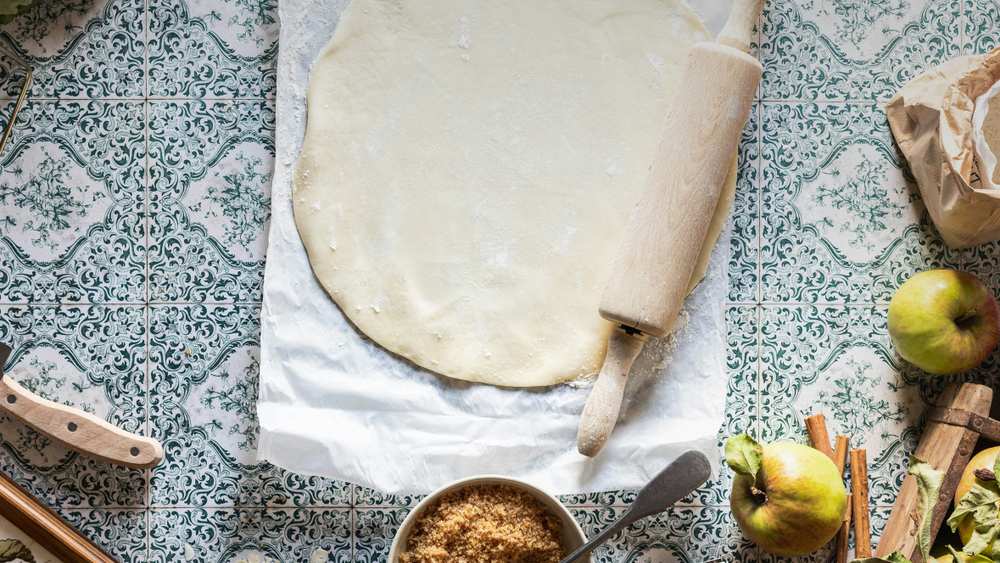
Ah, apple pie... This dessert is a classic, a symbol of comfort and indulgence. But beyond its simplicity, the question of pre-baking the crust often divides us: should you pre-bake the crust before adding the apples?
Crispy or tender, the apple pie crust is at the heart of all considerations. Let's explore the different options for a perfect apple pie!
What Does Tradition Say: Pre-Bake or Not?
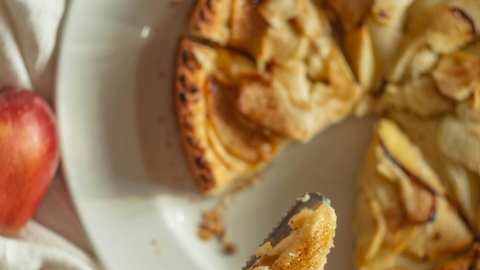
Traditionally, many family apple pie recipes are passed down without pre-baking. You simply arrange raw apples on the crust and bake everything together. This results in a pie with a soft and tender crust, infused with the apple juices.
Pre-baking has become increasingly common, especially with the use of modern pie pans. These pans often have high sides and a thicker crust that requires pre-baking to be cooked through. Moreover, pre-baking results in a more aesthetically pleasing pie with a golden and crispy crust.
The Advantages of Pre-Baking
Prevent a Soggy Crust
One of the main problems when you don't pre-bake the crust is the moisture from the apples. As they cook, they release juices that can make the crust soft and soggy. Pre-baking creates a firmer, slightly golden base to prevent juices from soaking into the crust, ensuring a crispy texture.
Achieve a Crispy Crust
If you prefer a pie crust that remains crunchy under the filling, pre-baking is essential. It allows the crust to partially cook before adding the apples, so the base stays firm and golden after the final bake. This creates a beautiful contrast between the crispy texture of the crust and the tender sweetness of the apples.
Enhance the Pie's Appearance
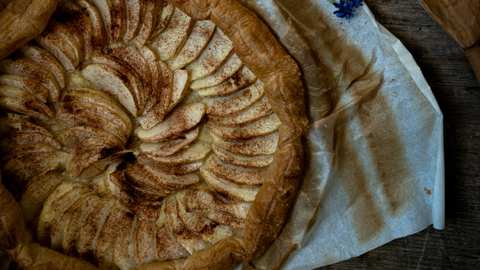
A pre-baked crust is generally more golden and uniform than a crust baked directly with the filling. It gives your pie a more professional and appetizing appearance.
How to Pre-Bake a Crust
To pre-bake the crust, start by rolling out the dough into the pie pan and lightly prick it with a fork to prevent it from puffing up. Then, cover the crust with parchment paper and add pie weights like dried beans or ceramic baking beads to keep it in place.
Preheat your oven to 180°C and pre-bake the crust for approximately 10 to 15 minutes, until the edges are lightly golden. Then, remove the parchment paper and weights, and let the crust cool slightly before adding the apple filling.
Finally, continue baking with the apples for 25 to 30 minutes, until the pie is golden brown and the apples are tender.
Direct Baking: What are the Benefits?
Faster and Simpler
Direct baking is faster and simpler because it skips the pre-baking step. You simply arrange the apples directly on the raw crust, then bake everything in one go. This reduces preparation time while simplifying the recipe.
Tender and Melt-in-Your-Mouth Crust
This method also results in a more tender and melt-in-your-mouth crust, as it absorbs the apple juices during baking. This creates a softer texture, ideal for those who appreciate a more yielding result without excessive crunch.
Summary Table of Both Methods
| Method | Advantages | Disadvantages |
|---|---|---|
| Pre-baking | Crispy crust, prevents a soggy crust, neat aesthetic | Requires a bit more time and steps |
| Direct Baking | Faster to prepare, tender and infused with apple juices | Risk of soggy crust, less crispy |
My apple recipes
Ready to give it a go? Here are a few of my apple recipes:
Conclusion
In conclusion, pre-baking apple pie crust is not an obligation, but a choice that depends on your preferences and culinary goals.
Don't hesitate to experiment with both methods to discover which one best suits your taste and baking style.