 Written by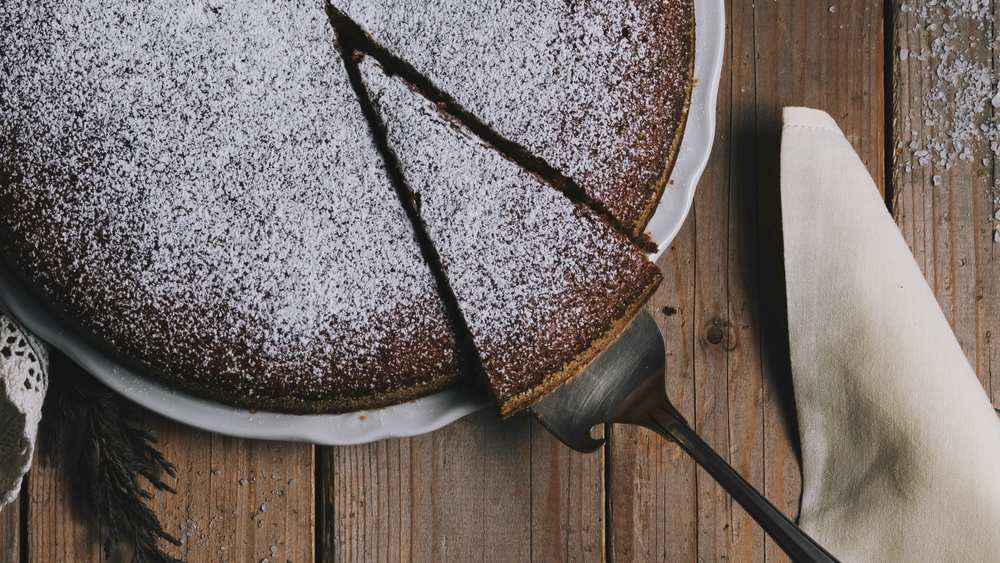
There's nothing more frustrating than a cake that's too dry... or undercooked in the middle. Whether it's a chocolate lava cake, a pound cake, or a yogurt cake, knowing when to stop baking is essential to achieve the perfect texture.
Fortunately, there are several simple techniques to check your cake's doneness without damaging it.
Why is Proper Cake Baking Monitoring Important?
Baking is the step that determines a cake's final success. Too short, the center remains raw and moist; too long, it becomes dry or crumbly. Knowing how to spot the right moment ensures a cake that is moist, melt-in-your-mouth, or airy, depending on the recipe.
Each oven heats differently: some reach temperature faster, others have hotter zones. Even if your oven seems reliable, the times indicated in recipes are still estimates. Therefore, you must always check the doneness yourself, because no oven can replace your eye and common sense.
Visual Cues That Don't Lie
- A Beautiful Golden Color: A well-baked cake will have a uniform golden color on top. If the edges are brown but the center is still pale, extend the baking time a little.
- Edges Pulling Away: When the cake is almost ready, its edges will start to pull away slightly from the pan. This is a very good indicator.
- A Springy Surface: Gently press the center of the cake with your finger: if it springs back and regains its shape, that's a good sign. If it leaves a dent or sinks, it needs a few more minutes.
The Knife or Skewer Test
The most well-known method remains the skewer test. Simply insert a thin knife or a toothpick into the center of the cake:
If the blade comes out clean or with a few crumbs, the cake is done.
If it comes out with wet or sticky batter, continue baking.
Caution: Make sure to insert the blade firmly in the center, as this is where the cake bakes most slowly.
The Touch Test
If you don't have a knife handy, the touch test can suffice. Gently touch the surface of the cake in the center.
- If it's soft but firm, it's good.
- If it's too soft or wobbly, it's not ready yet.
Internal Temperature: For the Most Precise
If you have a cooking thermometer, you can measure the internal temperature of the cake: between 90 and 95 °C, the cake is generally done. Below 85 °C, it still needs more baking.
This method is very useful for dense or thick cakes, such as banana bread or loaf cakes.
Special Cases: Gooey, Molten, and Flowing Cakes
Some cakes are intentionally undercooked in the center, such as chocolate lava cakes or molten-core cakes. In this case, the skewer should come out slightly wet: the exterior should be set, but the interior remains gooey.
Always refer to the recipe instructions for this type of cake, as the center should not be completely dry.
Should You Let the Cake Rest After Baking?
Yes. Once out of the oven, always let your cake rest for 5 to 10 minutes in its pan, then on a wire rack. Baking continues slightly during this time, which helps set the texture without overcooking the interior.
My cake recipes
Ready to give it a go? Here are a few of my cake recipes:
- Date Cake
- Cyril Lignac's Almond and Morello Cherry Cake
- Raspberry Crinkle Cake
- Pierre Hermé's Lemon Loaf Cake
Conclusion
Knowing when a cake is done doesn't just depend on the time stated in the recipe. By observing the color, texture, and conducting a quick test with a skewer or your finger, you can avoid many disappointments.
Every oven is different, so trust your senses: it's the best way to get a perfectly baked cake out of the oven.