 Written by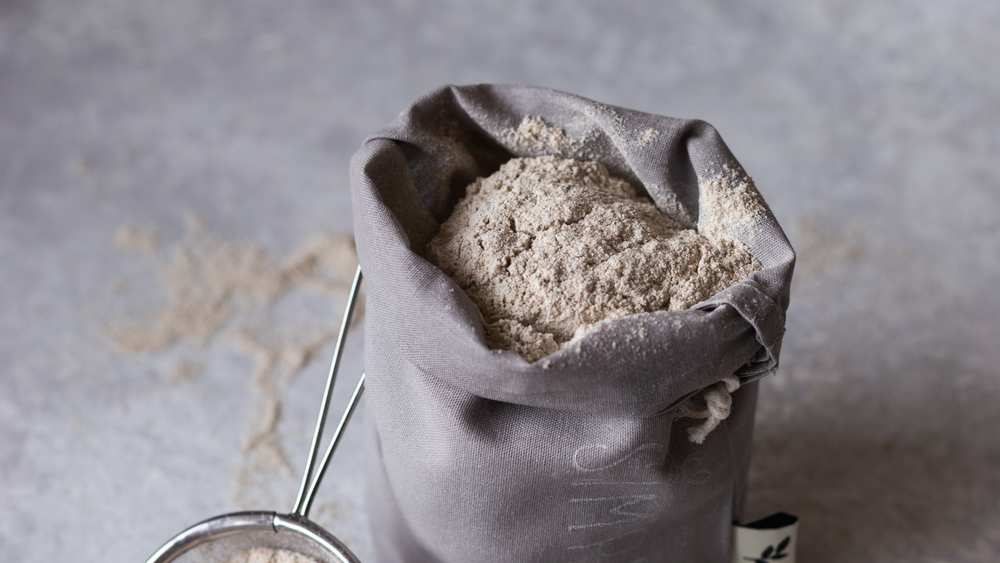
Sifting flour, a step that might seem tedious, is actually an essential practice in baking. But do you truly know why it's important to sift flour before incorporating it into your cakes, cookies, and other delights? Let's uncover the secrets of this traditional technique together!
What is Sifting Flour?
Sifting flour involves passing it through a sieve or a fine-mesh strainer. This action breaks up lumps, aerates the flour, and ensures a homogeneous distribution of dry ingredients in your preparations.
Why is Sifting Flour Important?
Eliminating Lumps
One of the primary benefits of sifting flour is to prevent lumps. Flour lumps, often caused by moisture or compaction during storage, can disrupt the consistency of your recipes. By sifting, you break up these lumps and ensure an even distribution of flour.
Without this step, lumps remain in the batter and can lead to uneven results, such as denser sections or pockets of dry flour in your baked goods. This is particularly important in recipes requiring a fine and homogeneous texture, like sponge cakes or soufflés.
Incorporating Air
Sifting also plays an important role in incorporating air into the flour. By passing through a sieve, the flour becomes enriched with air, making it lighter. This lightness facilitates the mixing of the flour with other ingredients.
The result? A finer and airier texture in your pastries. Cakes become more moist, cookies more crispy, and breads lighter. Sifting can therefore be considered an essential step to achieve baking perfection.
Homogeneous Mixing of Dry Ingredients
Sifting flour helps achieve a homogeneous mixture of dry ingredients. When you combine flour with other dry elements such as baking powder, baking soda, salt, or even powdered sugar, sifting helps distribute these ingredients evenly throughout the mixture.
Measurement Accuracy
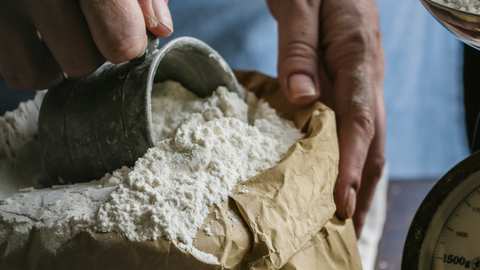
In baking, precision is essential. Flour becomes compacted in the bag, so a cup of unsifted flour contains more than intended. If you’re measuring flour without a kitchen scale, it’s even more important to sift it before measuring to ensure the most accurate amount possible.
Improving Texture
Sifting plays a role in improving the texture of certain baked goods, especially those where lightness and fineness are important. By sifting flour, you promote the incorporation of air into your mixture, which helps make the dough's texture lighter and more delicate. This step can make a difference in the final volume of your pastries, giving them a softer and more pleasant structure in the mouth.
Eliminating Impurities
Although flour is generally clean, sifting flour also has the advantage of removing any small impurities or residues. This can include particles from the storage environment or tiny fragments that have mixed with the flour during production or transport.
How to Sift Flour Properly?
- Choose a sieve or fine-mesh strainer: Make sure it is clean and suitable for the quantity of flour used.
- Pour the flour in small amounts: Add gradually to avoid overflowing.
- Shake gently: Tap or lightly shake the sieve to allow the flour to pass through effortlessly.
- Then mix with other dry ingredients: Such as baking powder or cocoa, for an even distribution.
Conclusion
Sifting flour is far from an unnecessary step. It's a simple action that can make all the difference in baking. Aerating, eliminating impurities, facilitating mixing... the benefits of sifting are numerous.
The next time you prepare a recipe, remember this technique and give your creations the texture and consistency they deserve!