 Written by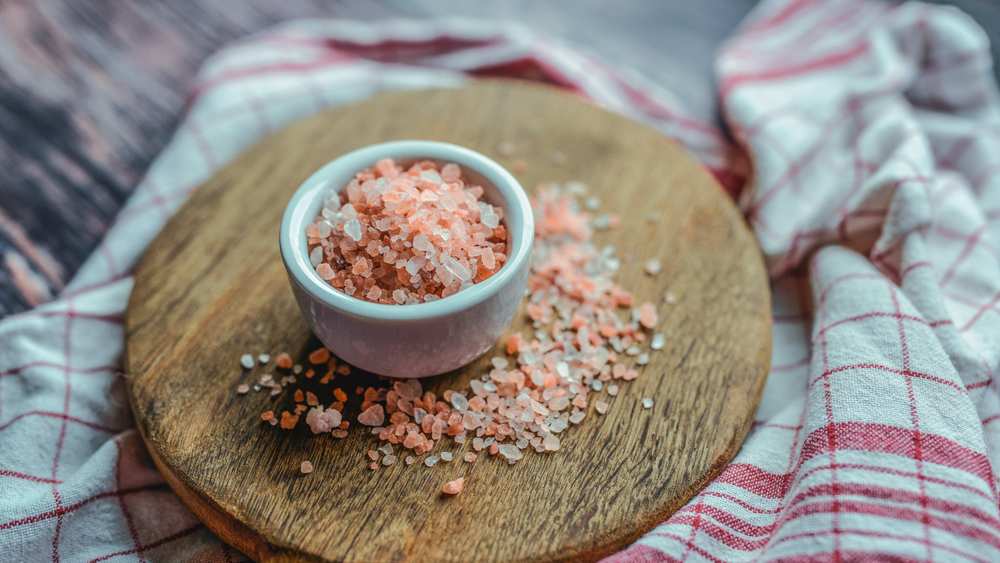
Salt is a subtle yet essential ingredient in baking. While its presence in sweet preparations might seem surprising, it plays a very specific role that goes beyond what one might expect.
Discover why a pinch of salt is crucial for successful baked goods and how it transforms your recipes.
Salt, a Flavor Enhancer
Contrary to popular belief, salt isn't just for making things salty. In baking, it acts as a flavor enhancer, bringing out and intensifying sweet flavors. It creates a subtle contrast that allows aromas to fully unfold.
Whether it's the rich aroma of chocolate in a brownie or the tangy taste of a fruit tart, salt highlights these notes, making them even better.
Other Benefits of Salt in Baking
Beyond its role as a flavor enhancer, salt offers other advantages:
- Sugar Regulator: Salt helps balance the sweetness of sugar, preventing pastries from being overly cloying. This subtle contrast between sweet and salty creates harmony in desserts.
- Improves Dough Texture: In baking, salt also affects the texture of doughs. In yeasted doughs like bread, brioche, or pastries, it strengthens the gluten structure, making the dough more elastic and stable. This results in a more homogeneous and pleasant texture.
- Preservation: Salt possesses preservative properties that help extend the shelf life of baked goods.
When to Add a Pinch of Salt?
In baking, the timing of when you add salt can make a difference.
- For yeasted doughs (brioche, bread): Add salt after thoroughly mixing the flour and yeast. This prevents the salt from coming into direct contact with the yeast, which could limit its effectiveness.
- For cake, cookie, or cream recipes: Salt can be added directly with other dry ingredients, such as flour or sugar. This method ensures good distribution and a subtle flavor boost.
How Much Salt to Add in Baking?
In baking, salt should be used sparingly. Generally, a pinch or a few grams of salt is enough to enhance flavors without overpowering the sweetness. For bread or pastry dough recipes, where structure is important, the quantity can be slightly increased.
Which Type of Salt to Choose?
The choice of salt can also influence taste and texture.
- Fine salt is often preferred because it mixes more easily with other ingredients.
- Sea salt and fleur de sel can be used to add a finishing touch or a slight crunch to certain desserts, such as cookies or brownies.
Conclusion
Though subtle, salt is a key ingredient in baking with a role far beyond seasoning. Its ability to enhance flavors, balance sweetness, and improve texture makes it an essential ally for successful baked goods.
By mastering its use, you can elevate your creations and give your desserts an incomparable balance of flavors.