 Written by
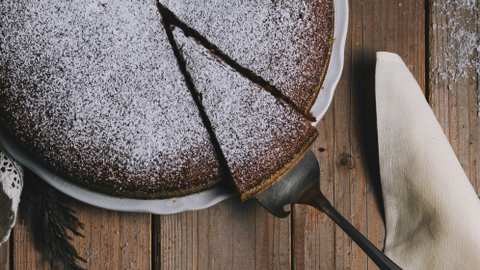
Semolina cake is a traditional dessert loved for its soft texture and comforting taste. The key to succeeding with such a dessert lies in choosing the appropriate semolina, which determines the texture and flavor profile of the final cake. Let’s discover the best types of semolina for a successful semolina cake.
Fine Semolina
For a semolina cake, it is generally recommended to use fine or medium semolina. Fine semolina is ideal for desserts and pastries because it creates a smooth and consistent texture. It absorbs liquids well, which is essential for semolina cake recipes where milk and eggs must incorporate perfectly with the semolina. Personally, this is my preferred option.
However, medium semolina also works very well. It offers a slightly grainier texture that may be appreciated if you prefer a richer mouthfeel. It also captures flavors well, giving the cake a slightly denser but still pleasant consistency. It’s up to you to decide based on your texture preferences!
Durum Wheat Semolina
Durum wheat semolina, unlike fine semolina which offers a smooth and uniform texture, is characterized by larger grains and a high gluten content, making it a popular option for semolina cakes that require a firm hold.
This variety is renowned for its ability to give the cake a firmer structure, making it particularly suitable for recipes that need to hold their shape perfectly when sliced, such as cakes intended to be molded and turned out. Rich in gluten, durum wheat semolina helps the cake stabilize and maintain its shape once baked.
My cake recipes
Ready to give it a go? Here are a few of my cake recipes:
- Cyril Lignac's Almond and Morello Cherry Cake
- Raspberry Crinkle Cake
- Pierre Hermé's Lemon Loaf Cake
- Pineapple Upside-Down Cake
Conclusion
Choosing the right type of semolina for your cake can greatly influence the final result. Whether you opt for fine semolina for a soft and smooth texture, medium semolina for a bit more bite, or durum wheat semolina for perfect structure, each type has its advantages. Don't hesitate to experiment with different types to find the one that best suits your tastes and culinary expectations.