 Written by
Crepes are a universal delight, a classic everybody loves to enjoy. But making homemade crepes is a whole different adventure. It requires a bit of patience and savoir-faire, as each step is crucial for perfect crepes. Don't worry, making successful crepes every time isn't that complicated when you know the right tricks.
Today, I'm revealing all my secrets for thin, light, and irresistible crepes, to share without moderation.
Perfecting Your Crepe Batter
Resting the Crepe Batter: The Key to Success
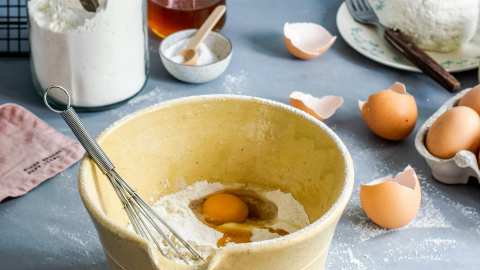
Letting the batter rest is an essential step. This allows the flour to absorb the liquids, which makes the batter more homogeneous and the crepes softer and lighter. If possible, let the batter rest for at least 30 minutes, or even 1 hour if you have time. This small detail makes all the difference for crepes that are easy to cook and delicious.
Achieving Lump-Free Batter
If your batter has lumps, don't panic! A blender or an immersion blender will quickly eliminate them, ensuring a smooth texture. To prevent lumps from the start, sift the flour before mixing it and add it little by little while stirring gently.
The Ideal Consistency
The batter should be fluid, much like thin cream.
- If it's too thick: add a little milk to thin it out.
- If it's too thin: add a spoonful of sifted flour. Well-balanced batter results in thin and easy-to-cook crepes.
Mastering the Cooking Process
Grease or Butter Your Pan
If you're not using a non-stick pan, it's essential to properly grease or butter the surface before each crepe to prevent sticking.
- Opt for a neutral oil (such as sunflower or canola oil).
- Use a paper towel to remove any excess.
- If you prefer butter, choose clarified butter which withstands heat better without burning.
The Right Temperature
Heat your pan over medium heat. A pan that's too hot will burn your crepes, while one that's not hot enough will result in pale and soft crepes. To know if the pan is ready, pour a small drop of batter: it should cook quickly, without burning, and form small bubbles around the edges.
The Wrist Movement
The technique for spreading the batter is an art:
- Pour a ladleful of batter into the center of the pan.
- Quickly tilt the pan in a circular motion to spread the batter evenly.
- Work quickly to prevent the batter from starting to cook before it's spread.
Having the Right Tools
The Pan: Essential for Perfect Crepes
Investing in a good non-stick crepe pan is a major advantage. If you're hesitating between a classic pan and a crepe maker, it depends on your usage: for occasional use, a pan is perfectly sufficient, but for regular and perfectly golden crepes, a crepe maker remains unbeatable.
The Spatula: Your Best Ally
A good spatula is essential for easily flipping your crepes. Opt for a thin, wide spatula, preferably made of silicone or wood, to avoid scratching your pan.
Master the Batter Quantity with a Ladle
For consistent crepes, use a ladle to portion the batter. Experiment a few times to find the right amount, and you'll always have crepes of the same thickness and size.
Going Further
Be Patient for Perfect Cooking
Don't flip your crepe too early. Wait until the edges start to lift and bubbles appear on the surface before gently turning it.
Keep Your Crepes Soft and Warm
To keep your crepes warm and moist while cooking, wrap them in a clean kitchen towel. This method retains heat and keeps them tender, preventing them from drying out.
My crepe recipes
Ready to give it a go? Here are a few of my crepe recipes:
Conclusion
Making perfect crepes isn't complicated if you follow a few simple and precise rules. With a little practice and patience, your crepes will quickly become a go-to treat to delight family and friends.