 Written by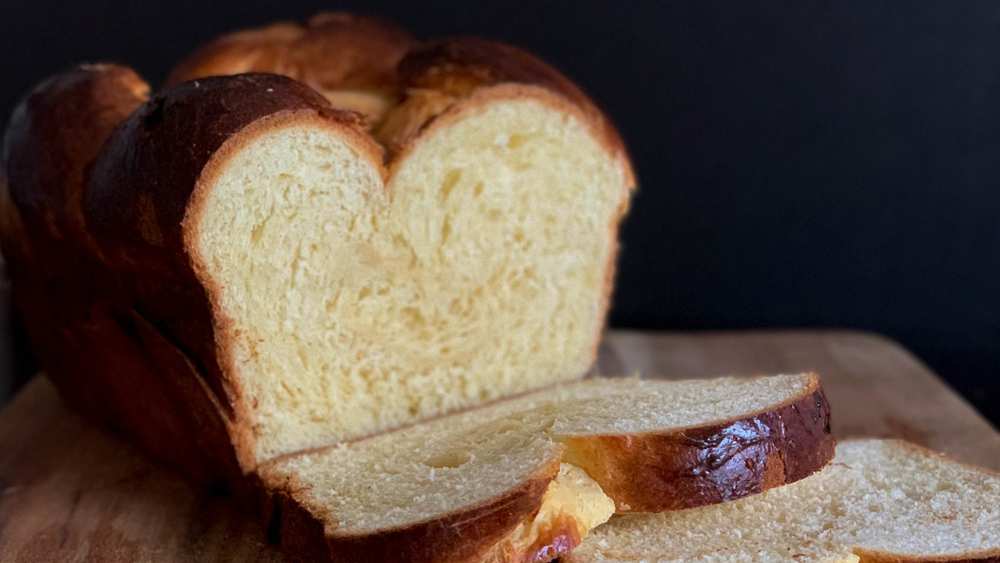
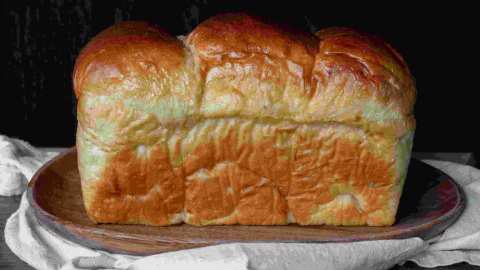
The glaze on a brioche is the final step that gives it that beautiful, shiny, golden, and appetizing crust. This visual detail plays a key role in presentation, but also in texture. But how do you achieve a beautiful glaze? There are several techniques to perfect it. In this article, discover the best tips to enhance your brioches.
Why Glaze Brioche?
Glazing a brioche isn't just about making it pretty. The glaze also offers other important benefits.
It gives the brioche a beautiful golden and shiny color, making it more appetizing. It also improves the texture by forming a thin crust that contrasts with the soft interior.
Finally, this crust protects the brioche and helps it stay tender longer, which improves its shelf life. So, glazing a brioche is much more than just an aesthetic choice!
Glazing Brioche: The Traditional Method
The traditional method for glazing brioche involves using an egg-based mixture to give it a golden color and a shiny surface. Generally, a egg yolk mixed with a tablespoon of milk or water is used. Egg yolk provides an intense golden color and a beautiful shine. Some recipes use a whole egg instead, which gives a slightly lighter and less pronounced glaze.
The mixture is applied with a pastry brush to the brioche just before baking. To intensify the effect, a second coat can be applied after a few minutes of baking.
This classic technique has been used for centuries in baking to achieve professional-looking and gourmet pastries and brioches.
Vegan Glaze: An Easy Option
To glaze a brioche without egg, plant-based milk is an excellent solution. Soy, almond, or oat milk all work very well.
Simply brush the brioche before baking. For even more shine, you can mix the plant-based milk with a little maple syrup or sugar diluted in water.
Tips for a Perfect Glaze
- Avoid Excess: Apply a thin layer to prevent the glaze from running and burning during baking.
- Be Gentle: Use a soft brush to avoid damaging the risen dough.
- Apply at the Right Time: Brush the brioche just before putting it in the oven, then possibly during baking to intensify the shine.
- Add a Decorative Touch: Sprinkle seeds (sesame, poppy) or pearl sugar after glazing to personalize your brioche.
Conclusion
Regardless of the chosen option, glazing a brioche is an essential step that enhances its appearance and makes it even more appetizing. A beautiful glaze immediately catches the eye and makes you want to take a bite. Each method has its advantages. No matter your preference, the glaze is the final touch that transforms an ordinary brioche into an irresistible delicacy.