 Written by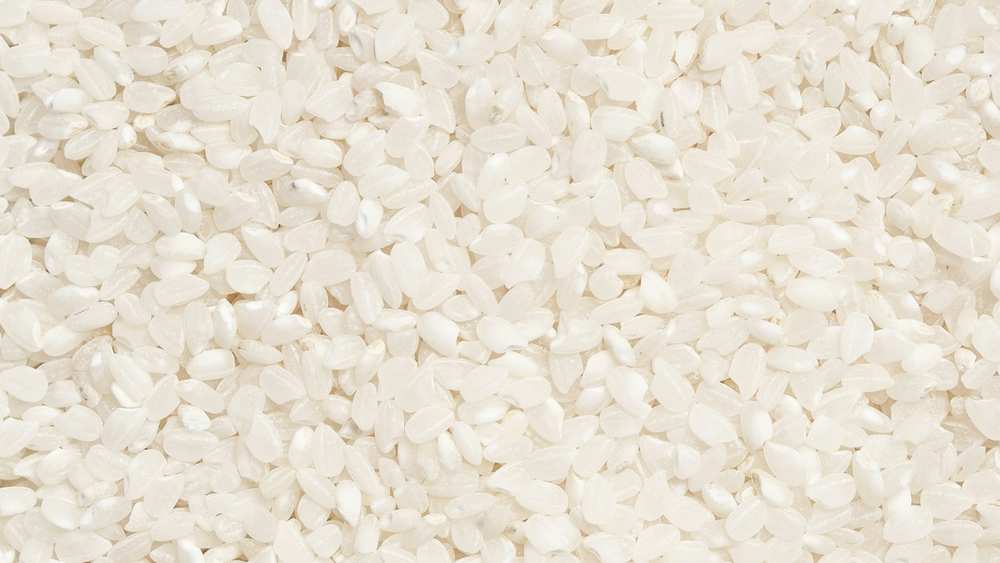
The rice pudding is one of those simple, sweet, and comforting desserts that everyone loves. But to achieve a creamy texture and a perfectly balanced taste, the choice of rice is an essential step, often overlooked.
In this article, I’ll guide you through the best types of rice to use for rice pudding, their specific characteristics, and common mistakes to avoid. Whether you prefer it very creamy or a bit firmer, you’ll find the right type of rice for your needs here.
The Importance of Choosing the Right Rice
Not all rice cooks in the same way, releases the same amount of starch, or absorbs milk identically. Understanding this is crucial.
A good rice pudding therefore directly depends on the type of rice used: it must be able to absorb milk slowly and release enough starch to create a creamy, yet not sticky, texture.
Using unsuitable rice risks a dry, grainy, or overly liquid result. It’s safe to say that the right rice makes all the difference.
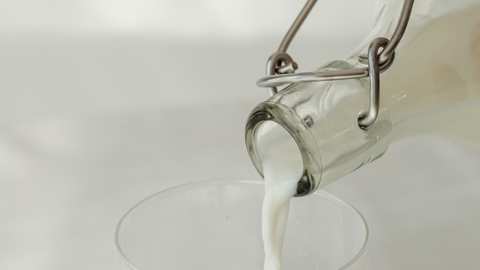
And the same goes for milk: choosing the right milk for rice pudding is just as essential as choosing the right rice. Both are at the heart of this dessert: seemingly simple, but so important.
The Best Rice for Rice Pudding: Short-Grain Rice
If you only remember one, make it this one.
White short-grain rice is the most commonly used for rice pudding, and for good reason: it releases a large amount of starch, which results in a smooth, melt-in-your-mouth, and creamy texture. It absorbs milk well without breaking down too much during cooking.
It’s also the rice found in many traditional French recipes. It’s economical, easy to find, and consistently delivers good results.
Can Other Types of Rice Be Used? Yes, But With Caution
Dessert Rice (Specific)
Some brands offer specific "dessert rice," a type of short-grain rice designed for preparations like rice pudding or rice cake. It’s essentially classic short-grain rice, selected to hold up well when cooked in milk. Convenient and easy to use, it yields good results without much fuss.
However, it’s often more expensive than regular short-grain rice, for very similar quality. And if you’re looking for a truly creamy texture, plain, unprocessed short-grain rice remains the best choice due to its natural richness in starch.
Arborio Rice (or Risotto Rice)
Rich in starch and fairly round, Arborio rice is a good alternative if you want a slightly firmer result. It absorbs liquids well and provides a creamy texture with a slightly more resistant bite. You’ll just need to adjust the cooking time a bit.
Sushi Rice
Less common in dessert recipes, sushi rice is quite sticky. It can work in a pinch, but it tends to make rice pudding more compact. It’s not ideal for a light result.
Basmati or Long-Grain Rice
These types of rice are not ideal for rice pudding. Their low starch content and light texture make them less suitable for slow cooking in milk. The result is often a dry, less creamy texture that is difficult to bind.
It might work if that’s all you have on hand, but you won’t get the best result. Even well-flavored, the rice pudding will lack richness and binding.
Whole Grain Rice
Possible, but the result is rustic and requires a long cooking time. Best reserved for those who enjoy firmer textures and a pronounced flavor.
Summary Table: The Best Rices for Successful Rice Pudding
| Type of rice | Resulting Texture | Cooking Time | Advantages | Potential Drawbacks |
|---|---|---|---|---|
| White Short-Grain Rice | Very tender, creamy | Medium (25-30 min) | Perfect for milk-based desserts, rich in starch | None, if properly monitored |
| Arborio Rice | Creamy with a slight chew | Long (30-35 min) | Good balance of creaminess/structure | Can remain slightly firm |
| Dessert Rice | Smooth and consistent | Medium (20-25 min) | Specifically designed for this type of preparation | Less commonly available and more expensive |
| Long-Grain Rice (Basmati) | Dry and separate | Fast (10-12 min) | Light and flavorful | Low starch, non-creamy texture |
| Whole Grain Rice | Firm, slightly crunchy | Long (>40 min) | Rich in fiber, rustic flavor | Not well-suited for creamy desserts |
To Go Further
To achieve perfectly creamy rice pudding, do not rinse the rice before cooking: the starch it contains will naturally thicken the mixture and give it that desirable creamy texture. The cooking itself must be gentle and slow. Simmer over very low heat, taking care to stir regularly to prevent the milk from sticking to the bottom of the pot.
Another important point: add sugar only at the end of cooking. This prevents it from caramelizing too quickly or altering the texture during cooking. And to flavor your rice pudding, there’s no need to overdo it: a vanilla bean, a lemon zest, or a touch of orange blossom water are often enough to elevate this delicate dessert.
Conclusion
In cooking, sometimes the simplest details make all the difference. Rice pudding doesn’t require many ingredients, but it does demand a minimum of attention. And among the things not to overlook, the choice of rice is essential. The right rice, well-suited for slow cooking in milk, will transform your preparation into a tender, sweet, and comforting dessert.
And if you’ve made a bit too much, which often happens when it’s a success, a common question arises: can you freeze rice pudding?. The answer might surprise you…