 Written by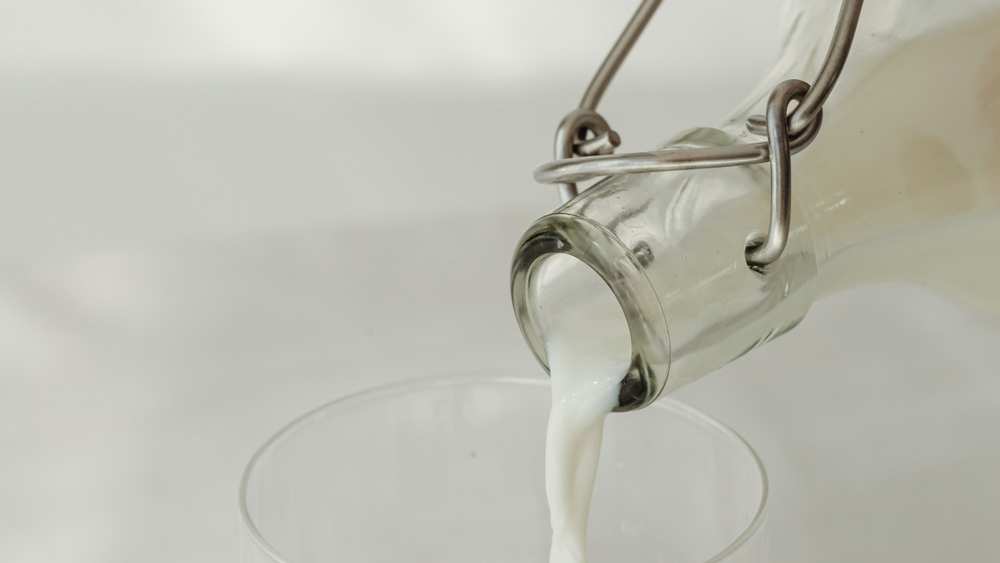
It's often said that the secret to a good rice pudding is the cooking process. But in reality, I'd argue that another ingredient plays an equally decisive role: milk.
It doesn't just hydrate the rice; it provides flavor, creaminess, and significantly influences the dessert's final texture. Whether you prefer a traditional, lighter, or plant-based version, here's how to choose the right milk for successful rice pudding.
Why is the choice of milk so important?
Milk is the main ingredient in rice pudding. It is responsible for:
- Hydrating and slowly cooking the rice
- Providing creaminess
- Adding sweetness
- Imparting a subtle sweet taste
- Determining the final consistency of the dessert
The right milk allows the rice to release its starch without drying out, forming a smooth and uniform texture. The wrong choice, conversely, can result in rice that is too watery or bland.
The Best Choice: Whole Cow's Milk
Why whole milk is ideal
Whole milk is the most suitable for making traditional rice pudding. Its richness in fat provides a velvety texture and a delightful flavor. It's the milk used in grandma's recipes, and for good reason: it allows you to achieve a meltingly soft, creamy, and perfectly balanced dessert without the need for additional ingredients.
The backup solution: Semi-skimmed milk
Semi-skimmed milk contains less fat than whole milk, making it slightly less creamy. But if you have nothing else on hand, it's the best backup solution. The result will be less rich, but perfectly acceptable. You can also add a spoonful of cream to enrich the texture a bit.
However, skimmed milk is not recommended. It's too lean and will result in a rice pudding that is too liquid and flavorless. It's best to avoid it for this type of dessert.
Plant-Based Alternatives
- Soy milk is the closest to cow's milk in terms of texture. It yields a fairly neutral rice pudding that can be flavored according to your taste.
- Almond milk is lighter and naturally sweet; it's suitable if you want a mild version, but the result will be more fluid.
- Coconut milk is very creamy but imparts a distinct flavor.
Tip: You can also mix several kinds of milk (e.g., coconut milk + almond milk) to balance texture and taste.
Other Possible Options to Vary the Recipe
Sweetened condensed milk: A denser texture
Sweetened condensed milk is sometimes used to achieve a thicker rice pudding with a slightly caramelized taste. It provides a dense texture and pronounced sweetness.
But beware: this type of milk is already very sweet. Therefore, it's essential to reduce the amount of added sugar in the recipe. To avoid an overly rich dessert, it's generally used in combination with another milk, such as whole milk or a fluid plant-based milk.
Crème fraîche: For extra creaminess
If you're using a less rich milk (like semi-skimmed or a plant-based milk), adding a little full-fat crème fraîche is an excellent idea. One to two spoonfuls at the end of cooking are enough to regain a silkier, melt-in-your-mouth texture, without masking the milk's flavor or making the recipe too heavy.
Flavored milks: To be avoided
Ready-made milks flavored with vanilla, caramel, or chocolate may seem convenient, but they are not suitable.
They are too sweet and artificial, masking the natural taste of the rice, unbalancing the flavors, and making the dessert cloying. If you want to flavor your rice pudding, it's better to do it yourself: a vanilla bean, a lemon zest, or a little orange blossom water will give a more natural and authentic result.
Conclusion
Making good rice pudding is a matter of simplicity... but also precision. The choice of milk, just like the choice of rice, directly influences the texture, taste, and overall enjoyment. Opting for whole milk will make all the difference if you're looking for a creamy and melt-in-your-mouth result.
And if you're wondering, after finding out what kind of rice to pick for rice pudding, what you can do with leftovers, yes, you can freeze rice pudding. Simply let it cool completely, place it in an airtight container, and gently reheat it in a saucepan or bain-marie to restore its texture.