 Written by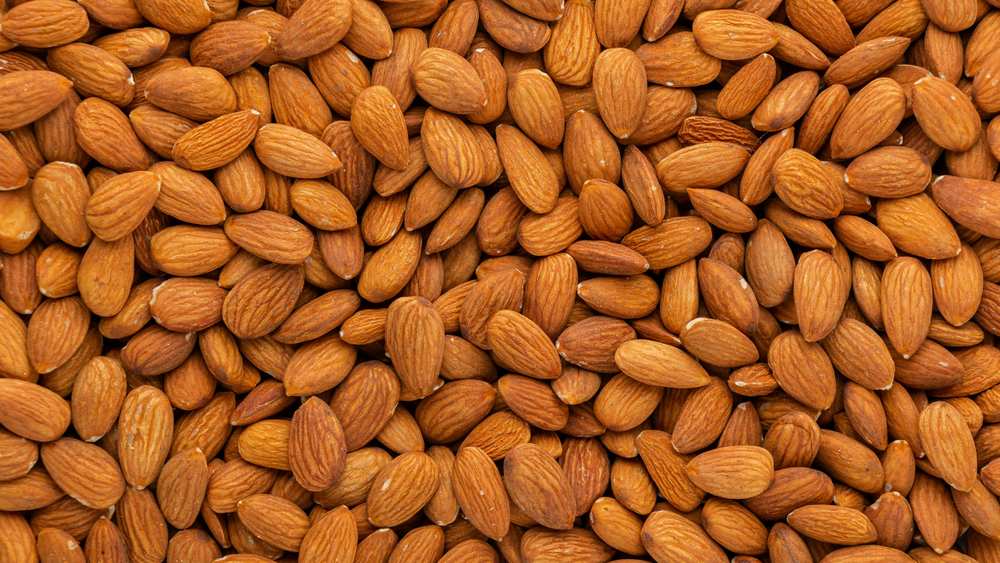
In cooking, almond meal and almond flour are often confused. However, these two products have very different characteristics, and knowing how to distinguish them can make all the difference in a recipe.
Texture, taste, use: let's explore what truly sets them apart and when to use one over the other.
What is Almond Meal?
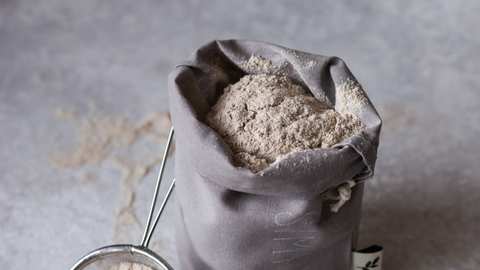
Almond meal is simply obtained by grinding whole almonds, sometimes with their skin, sometimes blanched. The result is a fairly fine but still granular powder, with a slightly oily feel.
It retains all the natural oils of the almond, which gives it a moist texture and a very pronounced, almost creamy taste. This richness makes it a perfect ingredient for financiers, frangipanes, tarts, or cookies.
What is Almond Flour?
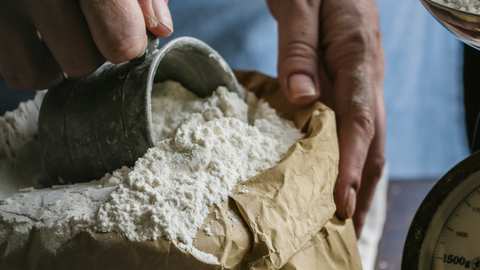
Almond flour, on the other hand, is made from blanched (skinless) almonds, cold-pressed to extract some of their oil, then finely ground.
It is drier, finer, and much lighter than almond meal. Its taste is also more neutral because it contains less fat. It is mainly used in gluten-free or ketogenic diets for preparing pancakes, cakes, or low-carb breads.
What are the Main Differences?
Even though they both come from almonds, their uses are not identical:
- Texture: Meal is coarser and moister; flour is fine and dry.
- Taste: Almond meal has a stronger taste; flour is more subtle.
- Fat Content: Meal is naturally fatty; flour is partially defatted.
- Uses: Meal is perfect for traditional baking; flour is ideal for gluten-free or healthier recipes.
Can One Be Substituted for the Other?
In theory, yes, but with caution. Since they don't have the same composition, the results can vary.
For example, if you substitute almond flour for almond meal in a galette des rois (King Cake), the texture might be dry. Conversely, if you use almond meal in a low-carb bread recipe based on flour, the result will be denser and fattier.
If you need to make a substitution, remember to adjust the quantities of liquid or binder to balance the recipe.
Conclusion
Almond meal and almond flour are not synonyms. The first is fatty, moist, and intense in flavor, perfect for gourmet baking. The second is finer, drier, and lighter, ideal for gluten-free or lighter recipes.
It's up to you to choose the one that best suits your preparation... or to always have both on hand! And if you use them regularly, be sure to learn about how to store almond flour to preserve all its freshness and flavor qualities.