 Written by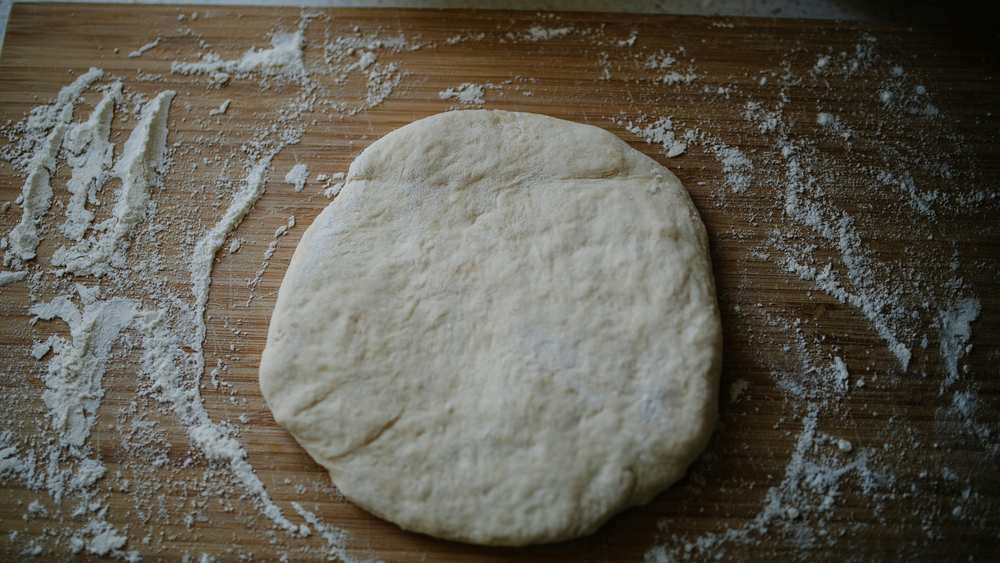
The flan pâtissier is a staple dessert in French bakeries. Creamy, smooth, and generous, it relies on a perfect balance between a vanilla custard and a perfectly baked crust.
Indeed, the choice of crust is essential: too thin, it will get soggy; too crumbly, it will break. So, which pastry crust should you use for a successful flan pâtissier?
The Importance of the Crust in a Flan
One often thinks that the success of a flan solely depends on the custard filling. However, the crust plays a crucial role in the dessert's texture and balance. It must:
- Support the filling without becoming soggy;
- Provide a contrast in texture, between crispy and smooth;
- Withstand long baking times without becoming soft or burning.
This is why the type of crust chosen completely changes the final result.
The Three Possible Types of Crust for a Flan
1. Shortcrust Pastry (Pâte Brisée): The Most Classic
Shortcrust pastry is most often used in traditional flan pâtissier recipes. Slightly sweetened, neutral, and easy to handle, it holds up well during baking and remains firm under the custard.
It offers a good balance with the flan. Be sure to par-bake it (blind bake) to prevent it from getting soggy.
2. Puff Pastry (Pâte Feuilletée): For a Bakery-Style Version
Some flans pâtissiers sold in bakeries are made with puff pastry. The result: a lighter flan texture in the mouth, but with a crispy and thin base.
This is the perfect choice for those who love lightness and delicacy. However, it is more delicate to work with and tends to soften more quickly once cooled.
3. Sweet Pastry (Pâte Sucrée): For a More Indulgent Version
Sweet pastry adds a more indulgent touch, similar to a tart crust. Rich in butter and slightly crumbly, it gives character to the flan.
It's very pleasant on the palate, especially if you like slightly richer desserts. But be mindful of the balance: it can be a bit too sweet depending on the custard used.
Comparison of Pastry Crusts for Flan Pâtissier
| Type of Crust | Texture | Flavor | Ease of Use | Ideal if… |
|---|---|---|---|---|
| Shortcrust Pastry | Firm, slightly crumbly | Neutral | Easy | You're looking for a classic and balanced flan |
| Puff Pastry | Light, crispy | Buttery | Medium | You like bakery-style flans |
| Sweet Pastry | Crumbly, melt-in-your-mouth | Sweet, rich | Medium to Difficult | You like generous and sweet tarts |
Should You Par-bake the Crust Before Pouring the Flan Filling?
Yes, especially for shortcrust and sweet pastry. Blind baking (with pie weights or dried beans) ensures the bottom crust cooks thoroughly without getting soggy. This prevents a rubbery crust under the filling.
For puff pastry, it's not mandatory, but you should prick it and avoid pouring in overly hot custard to prevent it from shrinking or becoming soggy.
And Why Not Make Your Own Pastry?
Ultimately, the best crust for a flan is often one you make yourself. Homemade pastry has more flavor, is crispier, and you know exactly what's in it.
If you're a beginner, start with shortcrust or sweet pastry: they are easy to make and perfect for learning. Puff pastry, on the other hand, is more complicated to prepare, especially the first time.
And if you don't have the time or inclination, the best option is to buy it from your local bakery. It will be much better than a pre-made crust from the supermarket.
Conclusion
Whether you choose shortcrust, sweet, or puff pastry, the essential thing is that it supports your flan well without stealing the show. And if you make it yourself, even better: a good flan always starts with a good base.
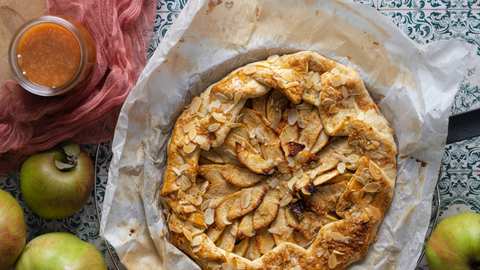
Moreover, the choice of pastry is just as important for an apple pie: depending on the texture and flavor you're looking for, the crust can completely change the result. It just goes to show that in baking, everything truly starts with the foundation.